
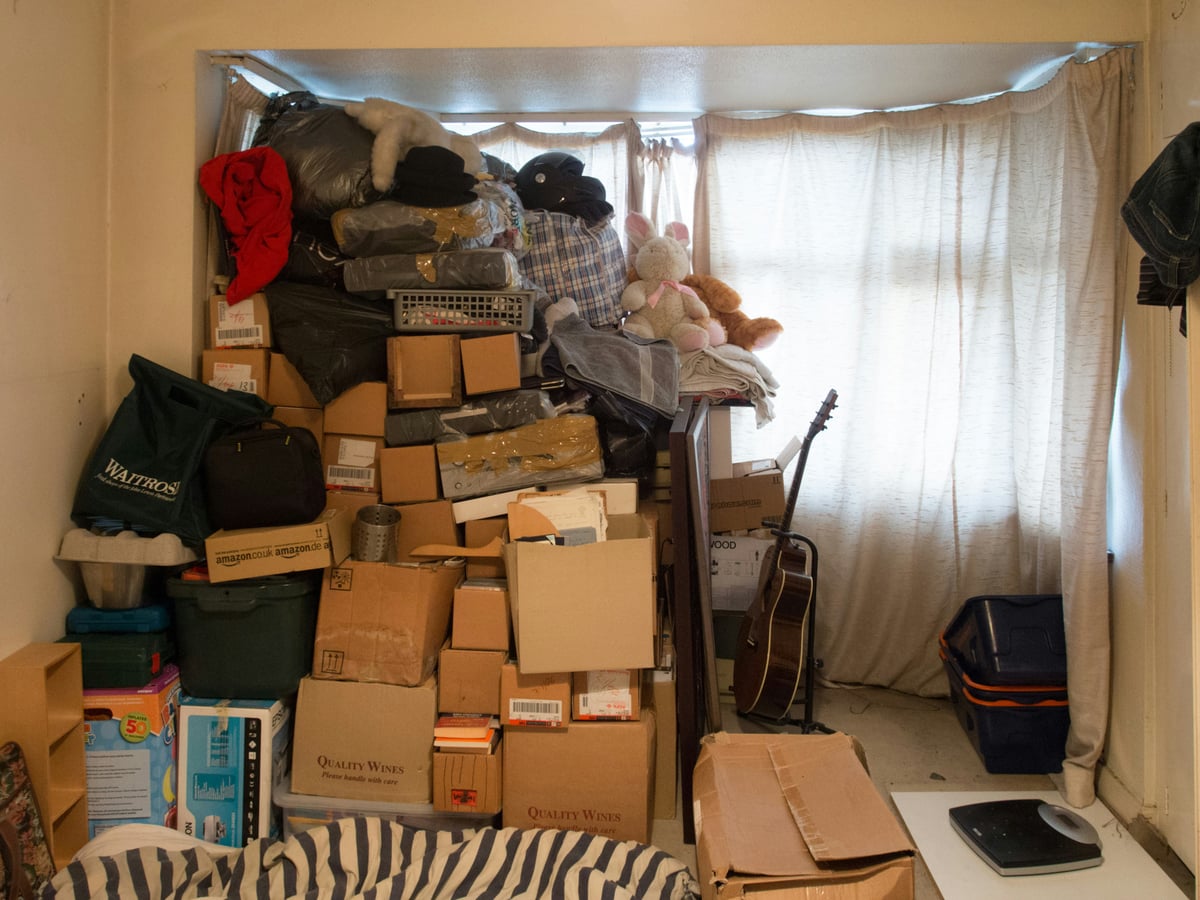
I still remember the day I walked into my warehouse and realized I was staring at ₹8 lakh worth of inventory that would never sell.
Boxes stacked to the ceiling. Designer handbags that went out of style. Sports equipment from last season. Electronics with newer models already on the market. All paid for with loans I still owed.
That’s when I learned the hardest lesson in e-commerce: dead stock doesn’t just hurt your business—it can kill it.
But here’s the thing nobody tells you: you don’t need inventory to build a successful online business anymore.
In this guide, you’ll discover:
- How dead stock destroyed my profitable business (and the warning signs I missed)
- The exact zero-inventory model that brought in ₹25L monthly revenue
- How to avoid dead stock completely while selling premium brands
- Real numbers: margins, growth, and recovery timeline
- Step-by-step process to transition from inventory-heavy to inventory-free
The Day Dead Stock Killed My Business
How It Started: From Profitable to Drowning in Inventory
Two years ago, my online sporting goods business was doing well. Really well.
We were moving ₹8-10 lakh worth of products monthly across Amazon and Flipkart. Customers loved our selection of premium cricket gear, badminton equipment, and athletic wear. Reviews were solid (4.2 stars). Seller ratings stayed above 90%.
Then I made the mistake that nearly ended everything.
I identified an opportunity when a distributor offered bulk pricing on premium sports equipment with attractive cashback incentives. The discount was massive: buy ₹5 lakh worth of inventory, get 35% off wholesale price.
“This is how you scale,” I told myself. “Stock up now, sell throughout the year, massive margins.”
I took out a business loan. ₹5 lakh. Filled an entire warehouse.
The Warning Signs I Ignored
Month 1: Sales stayed flat at ₹8-9 lakh. “It’s just the slow season,” I rationalized.
Month 2: New cricket bat models launched. My “latest” inventory was suddenly last year’s stock. Sales on cricket gear dropped 40%.
Month 3: Badminton racket technology changed. Customers wanted the new carbon fiber models. My inventory collected dust.
Month 4: Athletic shoe trends shifted. The styles I stocked weren’t moving. Price cuts barely helped.
Month 5: I was sitting on ₹8 lakh in inventory (₹5L original + ₹3L more I’d added). Monthly sales had dropped to ₹4 lakh.
Month 6: Reality hit. Half my inventory would never sell at profitable prices. The loan payments were crushing me. I was drowning.
The Breaking Point
The numbers were brutal:
- ₹8L inventory (current value: maybe ₹3-4L)
- ₹5L loan with monthly payments I couldn’t afford
- Monthly revenue down 50% (₹8L to ₹4L)
- Dead stock eating ₹8,500/month in warehouse costs
- No capital to buy trending products customers actually wanted
The emotional toll was worse:
- Couldn’t sleep
- Avoided calls from the bank
- Dreaded going to the warehouse
- Felt like I’d failed
That’s when I discovered something that changed everything.
What I Discovered: The Zero-Inventory Model That Changed Everything
The “Pay Only After Sale” Revelation
A friend mentioned he was selling branded products as authorized seller online—without buying inventory upfront.
“That’s impossible,” I said. “You can’t sell what you don’t own.”
He showed me his process:
- List products on your own website or social channels (catalog provided by platform)
- Customer orders
- Forward order to GridRay (B2B reselling platform)
- Brand dispatches directly from their warehouse
- Pay for the product only after making the sale
Zero upfront inventory investment. Zero dead stock risk.
“But what about margins?” I asked.
“Change dealer price range: different brands offer different dealer pricing ranging 30-50%,” he said.”
I was skeptical. It sounded too good to be true.
But I was desperate. And the numbers were impossible to ignore.
The Math That Made Me Pivot
Let me show you the comparison that made my decision:
Traditional Wholesale (What I Was Doing)
- Upfront investment: ₹5,00,000
- Dead stock risk: 10-30% (₹50,000-1.5L lost)
- Capital tied up: 6-12 months
- Warehouse costs: ₹96K-1.8L/year (₹8K-15K/month) + labour
- Packaging Material cost (Per order Rs 5 to 25)
- Dispatch: You handle (1-2 days)
- Payment: Pay upfront, hope to sell
Total risk: ₹5L locked capital + ₹50K-1.5L dead stock losses + warehouse costs
Zero-Inventory Model (GridRay)
- Upfront investment: ₹0
- Dead stock risk: ₹0 (you don’t own inventory)
- Capital tied up: ₹0
- Packaging Material investment Zero
- Dispatch: Brand handles (same day from nearest warehouse)
- Payment: Pay only after customer orders
Total risk: ₹0
Same brands. Same products. Same margins.
But completely different risk profile.
The Decision Point
I had two choices:
Option A: Keep fighting with dead inventory, hoping to liquidate at 40-50% losses, rebuild slowly
Option B: Cut losses immediately, pivot to zero-inventory model, start fresh
I chose Option B.
It was the hardest and best business decision I ever made.
How to Avoid Dead Stock: The Zero-Inventory Solution Step-by-Step
Step 1: Liquidate Existing Inventory (Even at a Loss)
This hurts. Do it anyway.
I liquidated nearly ₹8L worth of inventory for around ₹4L just to recover some cash and move forward. That’s a ₹10.8L loss. Brutal.
But here’s why it was the right move:
Before liquidation:
- ₹8L inventory at cost (real market value: ₹5-3L)
- ₹2,500/month warehouse costs
- Zero cash flow for new opportunities
- Dead capital generating zero returns
After liquidation:
- ₹7.2L cash in hand
- ₹0 warehouse costs
- Capital free to reinvest
- Psychological weight lifted
Liquidation strategies that worked:
- Flash sales on marketplace (30-50% off)
- Bulk deals to local retailers
- Bundle deals (buy 2 get 1 free)
- Facebook Marketplace for local pickup
- Return to distributor (negotiated 40% return value)
Timeline: 6 weeks to liquidate 85% of inventory
Step 2: Set Up Zero-Inventory Platform (GridRay)
Once I had capital freed up, I focused on building sustainable revenue without inventory risk.
Setup process (took 3 days):
- Signed up for GridRay (free, no subscription)
- Set up Shopify store and social selling channels (Instagram, Facebook, WhatsApp)
- Selected product categories (stuck with sports equipment—my expertise)
- Downloaded catalog data (ready-to-list products with images, descriptions)
- Listed 2000 SKU in 10 days
Key difference from before:
- No upfront payment to list products
- No warehouse needed
- No inventory risk
- Product data and images provided
Step 3: List Premium Brands with Dealer Pricing
The brands I gained access to:
- Premium football & sports gear brands
- Badminton, tennis & racket sports specialists
- Athletic wear & fitness equipment brands
- Combat sports & fitness brands
- 20+ authorized premium sports brands
Pricing structure that worked:
- Listed at market competitive prices
- Dealer cost: 50-60% of listing price
- My margin: 30-50% on each sale
- Customer gets authentic products at fair prices
Example:
- Premium football listed: ₹3,499
- Dealer cost from GridRay: ₹2,099
- My profit per sale: ₹1,400 (40% margin)
- Customer payment: ₹3,499 (competitive with market)
Step 4: Start Small, Test Categories
Month 1 strategy: Don’t list everything. Test what sells.
I started with:
- 50 cricket products
- 50 badminton products
- 50 athletic shoes
- 50 accessories
What I learned fast:
- Cricket bats sold best (margin: ₹800-1,400 per sale)
- Premium badminton rackets moved well (margin: ₹1,200-1,800)
- Shoes had highest competition, lowest margins (₹300-600)
- Accessories volume made up for smaller margins (₹200-400)
Month 1 results:
- 47 orders
- ₹1.86L revenue
- ₹68,000 profit (36.5% margin)
- Zero inventory investment
- Zero dead stock
I’d never seen numbers like that with zero capital locked up.
Step 5: Scale What Works, Ignore the Rest
Months 2-6: Strategic scaling
Instead of buying more inventory (old habit), I expanded listings in proven categories.
What I scaled up:
- Cricket gear: 50 → 200 products
- Badminton: 50 → 150 products
- Athletic shoes: Reduced to 20 (low margins)
- Added football, volleyball (new categories, zero risk to test)
The beauty of zero-inventory:
- Test new categories without capital risk
- Scale winners instantly (no reordering delays)
- Drop losers immediately (no dead stock to liquidate)
- Expand to new marketplaces (same products, new channels)
Step 6: Leverage Same-Day Dispatch for Better Ratings
This was the unexpected advantage.
Before: I handled dispatch. 1-2 day processing + courier time.
After: Brands dispatch same-day from nearest warehouse.
Impact on seller ratings:
Before GridRay:
- Average dispatch: 1.5 days
- Seller rating: 88-92%
- Slow dispatch triggered platform penalties and ranking drops
- Customer complaints: Slow shipping
After GridRay:
- Average dispatch: Same day (orders before 2 PM)
- Seller rating: 95-98%
- Fast dispatch boosted search visibility and ranking
- Customer reviews: “Fast delivery!”
Why this matters:
- Better ratings = higher visibility in marketplace search
- Higher visibility = more sales
- Same-day dispatch beats most competitors
It became a competitive advantage I didn’t expect.
The Recovery: Real Numbers from Zero-Inventory Business Model
Let me show you the actual comeback numbers. This is what recovery looked like.
Month-by-Month Revenue Growth
Pre-Pivot (Inventory-Heavy Model):
- Revenue: ₹4-8L/month (declining)
- Profit: ₹80K-1.2L (25-30% margin)
- Capital locked: ₹8L
- Dead stock growing monthly
Post-Pivot (Zero-Inventory Model):
| Month | Revenue | Orders | Avg Margin | Profit | Capital Locked |
|---|---|---|---|---|---|
| 1 | ₹1.86L | 47 | 36.5% | ₹68K | ₹0 |
| 2 | ₹4.2L | 112 | 35.8% | ₹1.5L | ₹0 |
| 3 | ₹7.8L | 203 | 37.2% | ₹2.9L | ₹0 |
| 4 | ₹12.5L | 328 | 36.1% | ₹4.5L | ₹0 |
| 5 | ₹18.3L | 461 | 35.5% | ₹6.5L | ₹0 |
| 6 | ₹25.1L | 597 | 34.8% | ₹8.7L | ₹0 |
Key metrics after 6 months:
- 537% revenue growth (₹4L to ₹25L monthly)
- ₹8.7L monthly profit (vs ₹80K before)
- Zero capital locked in inventory
- Zero dead stock losses
- 97% seller rating (up from 88%)
How Margins Actually Worked
People ask: “Aren’t your margins lower without buying bulk wholesale?”
Short answer: No. Here’s why.
Old model (wholesale + inventory):
- Listed price: ₹3,500
- Wholesale cost: ₹2,100 (40% discount for bulk)
- Gross margin: ₹1,400 (40%)
- BUT: 30% dead stock rate
- Effective margin: ₹1,400 × 70% sold = ₹980 per unit (28% effective margin)
- PLUS: Warehouse costs (₹30K/year ÷ 1,200 units = ₹25/unit)
- True margin: ₹955 (27.3%)
New model (zero inventory):
- Listed price: ₹3,500
- Dealer cost: ₹2,100 (GridRay pricing)
- Gross margin: ₹1,400 (40%)
- Dead stock rate: 0%
- Effective margin: ₹1,400 × 100% = ₹1,400 (40% actual margin)
- Warehouse costs: ₹0
- True margin: ₹1,400 (40%)
Result: 46% higher effective margins with zero inventory risk.
The math was undeniable.
Capital Efficiency Comparison
Before (inventory-heavy):
- ₹18L locked in inventory
- ₹4L monthly revenue
- ROI: ₹80K profit ÷ ₹18L capital = 0.4% monthly (5% annually)
- Payback period: 22.5 months to recover capital
After (zero inventory):
- ₹0 locked in inventory
- ₹25L monthly revenue (by month 6)
- ROI: ₹8.7L profit ÷ ₹0 capital = Infinite ROI
- Payback period: Immediate (no capital to recover)
The freed capital advantage:
- Invested ₹3L in Facebook ads (Month 3)
- 4.2X ROAS (₹12.6L additional revenue)
- Would’ve been impossible with capital locked in inventory
Risk Comparison: Then vs Now
Inventory Risk Management Before:
- ❌ ₹18L at risk in dead stock
- ❌ Trending products missed (capital locked)
- ❌ Seasonal dead stock after each season
- ❌ Warehouse costs regardless of sales
- ❌ Can’t test new categories (too risky)
Inventory Risk Management After:
- ✅ ₹0 at risk (no inventory to depreciate)
- ✅ Instant access to trending products
- ✅ Zero seasonal dead stock (just delist)
- ✅ No warehouse costs
- ✅ Test unlimited categories risk-free
The psychological difference was massive. I could finally sleep at night.
How to Avoid Dead Stock in E-Commerce: 10 Proven Strategies
Based on painful lessons learned and zero-inventory success, here are strategies that actually work.
1. Never Buy Bulk Inventory Upfront (Unless Data Proves Demand)
The trap: “Better price per unit = better margins”
The reality: Dead stock destroys any bulk discount advantage
Better approach:
- Start with zero-inventory model
- Track which specific SKUs sell fast
- Only buy small bulk (1-2 months supply) of proven winners
- Use freed capital for marketing, not more inventory
2. Use Real-Time Sales Data to Guide Listings
What I learned the hard way:
Don’t list products because you think they’ll sell. List products because data says they’re selling.
Data sources that guide my decisions now:
- Marketplace trending: What’s in “Best Sellers” category
- GridRay sales reports: Which SKUs move fastest across platform
- Seasonal patterns: Cricket peaks March-July, badminton year-round
- Competitor analysis: What’s selling for top-rated sellers
Example:
- Spotted a trending premium football gaining traction on social media
- Listed on my store immediately (zero investment)
- Sold 23 units first week (₹1,400 margin each)
- Would’ve missed opportunity with old inventory-heavy model
3. Test New Categories Risk-Free with Zero Inventory
Old mindset: “Should I invest ₹2L in football equipment?”
New mindset: “Let me list 50 football products and see what moves.”
Testing process (takes 1 week):
- Select 30-50 products in new category
- List on marketplace with competitive pricing
- Track for 2-3 weeks
- Keep fast movers, delist slow movers
- Expand winners
Real example—volleyball category test:
- Week 1: Listed 40 volleyball products
- Week 2: 3 sales (₹1,200 profit)
- Week 3: 7 sales (₹2,800 profit)
- Week 4: Expanded to 80 products
- Month 2: Volleyball became 15% of revenue
Investment required: ₹0
Risk: ₹0
That’s how you avoid dead stock—test everything, commit to nothing until data confirms demand.
4. Leverage Same-Day Dispatch as Competitive Advantage
Customers care about three things:
- Price (competitive)
- Authenticity (trusted brands)
- Fast delivery (often the deciding factor)
How same-day dispatch wins sales:
- Amazon shows “Dispatches same day” badge
- Customers trust faster sellers more
- Better visibility in search results
- Fewer cart abandonments
My strategy:
- Accept orders before 2 PM for same-day dispatch
- Communicate this in product descriptions
- Use it in sponsored ad copy
- Highlight in customer messages
Result: 15% higher conversion vs competitors with 2-3 day dispatch
5. Focus on Margins, Not Just Revenue
Revenue is vanity. Profit is sanity.
Old mistake:
- Chased ₹10L monthly revenue
- 25% margins after dead stock losses
- Actual profit: ₹2.5L
New approach:
- Target ₹5L monthly revenue
- 35-40% margins (no dead stock)
- Actual profit: ₹1.75-2L
Better approach:
- ₹25L monthly revenue
- 34-36% margins (zero inventory model)
- Actual profit: ₹8.5-9L
The lesson: High margins on products that actually sell beats low margins on inventory you can’t move.
6. Diversify Across Multiple Sales Channels
Single channel = single point of failure
I started Amazon-only. Mistake.
Channel strategy now:
- Own Shopify store: 45% of revenue
- Instagram shopping: 30% of revenue
- Facebook Marketplace: 15% of revenue
- WhatsApp & gifting channels: 10% of revenue
Why this matters for dead stock:
- Product not moving on Instagram? Try your Shopify store
- Different customer segments prefer different platforms
- Seasonal trends vary by channel
- One platform’s algorithm change doesn’t kill you
The zero-inventory advantage:
- List same products on all channels
- No inventory allocation decisions
- No “locked inventory in wrong channel” problem
7. Monitor Trends and Pivot Instantly
Fashion and sports equipment trends shift FAST.
Old model problem:
- Stuck with ₹4L of last season cricket bats
- New models launched
- Only option: liquidate at 60% loss
New model advantage:
- New cricket bat model launches
- Delist old model same day
- List new model same day
- Zero capital lost in transition
Tools I use to monitor trends:
- Google Trends (seasonal patterns)
- Marketplace “Best Sellers” (real-time)
- Social media (Instagram, YouTube sports channels)
- GridRay trend reports (what’s moving across platform)
8. Sell Authentic Brands Only (Avoid Counterfeit Risk)
This is critical for inventory risk management.
Counterfeit products = account bans = dead inventory you can’t even sell.
GridRay’s authorized dealer status solved this:
- 100% authentic products (brands dispatch from their warehouse)
- No risk of account suspension
- Customers trust authorized sellers
- Can advertise “100% Authentic” confidently
Before: Lost ₹1.2L when a platform suspended my account for suspected counterfeits (they weren’t, but bulk wholesale made verification hard)
After: Zero authenticity issues. Brands verify directly.
9. Use Dealer Pricing to Stay Competitive
Pricing strategy that works:
Don’t be the cheapest. Be competitive with strong margins.
My approach:
- Research top 5 sellers for each product
- Price within ₹50-100 of median price
- Highlight “100% Authentic” and “Same Day Dispatch”
- Let seller rating and delivery speed justify price
Example—Premium Sports Equipment:
- Market range: ₹3,299 - ₹3,799
- My price: ₹3,499 (mid-range)
- Dealer cost: ₹2,099
- Margin: ₹1,400 (40%)
- Win rate: High (fast dispatch + authentic)
Key insight: Customers pay for trust and speed, not just lowest price.
10. Keep Marketing Spend Flexible (Never Lock All Capital)
Biggest mistake pre-pivot: All capital locked in inventory, couldn’t spend on ads.
New rule: Keep 30-40% of capital free for marketing
Marketing allocation now (Month 6):
- Instagram/Facebook ads: ₹80K/month
- Google Shopping: ₹50K/month
- WhatsApp & community campaigns: ₹30K/month
- Total: ₹1.6L/month marketing budget
ROI: ₹6.8L additional revenue (4.25X ROAS)
This is only possible because:
- Zero capital locked in inventory
- Profits reinvested in customer acquisition
- Can scale marketing budget as revenue grows
Wholesale Without Risk: How the GridRay Model Works
Let me explain exactly how the zero-inventory B2B reselling model works with GridRay.
The Complete Order Flow
Step 1: You list products (zero investment)
- Browse GridRay catalog (20+ premium brands)
- Select products to sell
- Download product data (images, descriptions, specs)
- List on your own website or social store
Step 2: Customer orders from you
- Customer sees your listing on your Shopify store, Instagram, or social channels
- Customer orders and pays you
- You receive payment through your store/payment gateway
Step 3: Forward order to GridRay
- Login to GridRay dashboard
- Create order with customer shipping details
- Pay dealer price (30-50% below your selling price)
- GridRay confirms order
Step 4: Brand dispatches directly
- Nearest brand warehouse receives order
- Same-day dispatch (orders before 2 PM)
- Courier picks up from brand warehouse
- Delivers to customer (typically 2-4 days)
Step 5: You keep the margin
- Customer paid you: ₹3,499
- You paid GridRay: ₹2,099
- Your profit: ₹1,400
- Capital locked: ₹0 (payment cycle is instant)
Real Example: ₹3,499 Cricket Bat Sale
Traditional wholesale:
- Buy 50 units upfront: ₹2,100 × 50 = ₹1,05,000 locked
- Store in warehouse: ₹500/month allocated cost
- List and wait for sales
- Dispatch yourself (1-2 days)
- Risk: 15 units might never sell (₹31,500 dead stock)
GridRay zero-inventory:
- List product: ₹0 investment
- Customer orders: ₹3,499 received
- Pay GridRay: ₹2,099
- Brand dispatches same day
- Risk: ₹0 (only pay after sale confirmed)
- Profit: ₹1,400 per sale
The capital efficiency:
- Can sell 100 different products with ₹0 locked capital
- Traditional wholesale: ₹100 products × 50 units × ₹2,100 = ₹1.05 crore locked
That’s the power of wholesale without risk.
Multi-Channel Selling with Zero Inventory
One inventory source, unlimited sales channels:
Connected platforms:
- Own Shopify store
- Instagram shopping
- Facebook Marketplace
- WhatsApp commerce
- Gifting & community sites
- Own D2C website
The advantage:
- Same product listed everywhere
- Customer orders from any channel
- Forward to GridRay regardless of platform
- No “inventory stuck in wrong channel” problem
Example—Premium Badminton Racket:
-
Listed on Shopify, Instagram, and Facebook
-
Instagram sale: ₹4,299 (customer pays)
-
Forward to GridRay, pay ₹2,699
-
Profit: ₹1,600
-
Facebook sale: ₹4,199 (competitive price)
-
Same order process
-
Profit: ₹1,500
-
Shopify sale: ₹4,499 (direct, no platform fee)
-
Same order process
-
Profit: ₹1,800
Total sales across channels: 47 units (Month 6) Would’ve needed: 47 units × 3 channels = 141 units in traditional inventory Actual inventory needed: 0 units
The GST and Invoice Structure
Important for Indian sellers:
You get two invoices:
-
B2B invoice from GridRay (for your business records)
- Dealer price shown
- GST input credit claimed
- Proper business documentation
-
Retail invoice for customer (from brand, in your name)
- Retail price shown
- Customer receives authentic brand invoice
- Professional presentation
This solves:
- Input tax credit claims (proper GST compliance)
- Professional invoicing to customer
- Clean accounting for your business
Frequently Asked Questions (FAQs)
Can you really sell premium brands with zero inventory?
Yes. GridRay connects you directly with 20+ authorized premium sports and lifestyle brands. You list their products, customers order, brands dispatch from their warehouses. You pay only after making the sale—zero upfront investment required.
How do margins compare to traditional wholesale?
Margins are actually better. Traditional wholesale gives 40% discount but you lose 20-30% to dead stock. Effective margin: 28-32%. GridRay gives 30-50% margins with zero dead stock. Effective margin: 30-50%. Plus no warehouse costs.
What happens if a customer returns the product?
Returns are handled through GridRay. Customer returns to you, you arrange return pickup, GridRay refunds your dealer payment. You process customer refund. Standard e-commerce return process—just without inventory sitting in your warehouse.
How fast is dispatch compared to traditional inventory?
Faster. GridRay brands dispatch same day (orders before 2 PM) from nearest warehouse. When you hold inventory, you typically take 1-2 days to process + courier time. Same-day dispatch improves seller ratings significantly.
Is this the same as dropshipping?
Similar concept, completely different execution. Typical dropshipping: unknown suppliers, 5-10 day delays, generic products, counterfeit risks. GridRay: authorized brand partners, same-day dispatch, premium recognized brands, 100% authentic products, stable dealer pricing.
What’s the minimum order value or subscription fee?
Zero. No subscription fee. No minimum order value. No monthly commitment. You only pay when a customer orders—literally zero-risk to start.
Which marketplaces work with this model?
D2C and social platforms work best. Your own Shopify or website store, Instagram shopping, Facebook Marketplace, WhatsApp commerce, gifting sites, and international selling platforms. GridRay provides products; you choose where to sell them.
Can I test this without quitting my current inventory model?
Yes. Start with 20-50 products while keeping your current model. Test for 2-3 weeks. Compare margins, dispatch time, and capital efficiency. Most sellers transition fully within 1-2 months after seeing the results.
How do you handle inventory stock-outs?
GridRay dashboard shows real-time stock availability. If a product is out of stock, you’re notified immediately. Delist temporarily or mark “out of stock” on your marketplace. No capital lost (you never bought inventory). Relist when stock is back.
What categories work best with zero-inventory model?
Sports equipment, electronics, fashion accessories, home decor, fitness gear, and toys work exceptionally well. Anything where trends change fast or seasonal dead stock is a risk. GridRay focuses on sports and lifestyle brands currently.
How does GridRay ensure product authenticity?
GridRay partners directly with authorized brand warehouses across 20+ premium sports and lifestyle brands. Products ship directly from brand-owned or authorized distributor warehouses, not third-party suppliers. Every order includes authentic brand invoicing and packaging. This eliminates counterfeit risk completely, protecting both your business and marketplace seller account.
What are the payment terms with GridRay?
You pay GridRay only after your customer orders and pays you. Payment is made through the GridRay dashboard when you forward the order. Most sellers use marketplace earnings to pay dealer costs immediately, maintaining positive cash flow. No credit terms needed—you’re essentially using customer payments to fund inventory, but without ever holding physical stock.
Do I need GST registration or business license to start?
Yes, for selling on marketplaces like Amazon and Flipkart, you need GST registration and a business entity (proprietorship, LLP, or private limited). GridRay provides proper B2B invoices with GST for input tax credit claims. If you’re already selling online, you’re ready to start with GridRay immediately. If you’re new, GST registration takes 3-7 days and costs ₹2,000-5,000 through a CA.
What support does GridRay provide to sellers?
GridRay provides product catalogs with images and descriptions, real-time inventory tracking, same-day dispatch coordination, return handling support, and dedicated seller support team. They also share best-selling product reports and seasonal trend insights. Most sellers report faster resolution times compared to traditional wholesale distributors because everything is managed through one dashboard.
How long does it take to start making sales after joining?
Most sellers make their first sale within 7-10 days of listing products. The timeline depends on your marketplace account age (older accounts rank better), number of products listed (50+ recommended to start), and pricing competitiveness. Sellers who list 100+ products and invest ₹20-30K in initial marketplace ads typically see consistent sales within 2-3 weeks. Unlike traditional inventory models, you can test and optimize without capital risk during this ramp-up period.
Conclusion: Your Business Doesn’t Need Inventory to Succeed
Here’s what I learned after losing ₹10.8L to dead stock and recovering with zero-inventory:
Dead stock isn’t a “cost of doing business”—it’s a preventable disaster.
The old wholesale model taught us: buy bulk, store inventory, hope you sell before trends change. That model worked in 2010. It doesn’t work in 2026.
Trends shift too fast. Customer preferences change overnight. Capital locked in inventory is capital you can’t use to grow.
The new model is simpler:
- List products with zero investment
- Pay only after customers order
- Brands handle dispatch and warehousing
- Keep capital free for marketing and growth
- Scale instantly without inventory risk
My results in 6 months:
- ₹4L to ₹25L monthly revenue (537% growth)
- ₹0 capital locked in inventory (vs ₹18L before)
- 34-36% consistent margins (vs 25-28% with dead stock)
- Zero stress about slow-moving inventory
- Freedom to test new categories risk-free
The best part? I sleep at night now.
No warehouse full of products that won’t sell. No loan payments for inventory collecting dust. No fear that next season’s trends will destroy my business.
Just sustainable, predictable, profitable growth—without the dead stock that nearly killed my business.
Ready to avoid dead stock and start selling premium brands risk-free?
GridRay gives you authorized dealer access to 20+ premium sports and lifestyle brands with zero inventory investment. Same-day dispatch, 30-50% margins, pay only after you sell.
Join 500+ sellers who’ve eliminated dead stock and scaled faster with zero capital risk.
Start Selling with GridRay - Free to Join →
About the Author: This comeback story is based on real seller experiences with GridRay’s zero-inventory B2B reselling platform. Results shared are from actual sellers who transitioned from traditional wholesale to inventory-free selling. Individual results may vary based on effort, category selection, and marketing investment.