Every new online seller in India eventually hits the same wall: where do you actually source products from, and can you trust that source? Buy from the wrong supplier, and you risk counterfeit complaints, account suspensions, or products that simply don’t match what you advertised. This is the exact problem authorized reselling solves.
Authorized reselling means you have official, brand-approved permission to sell a company’s products — as opposed to sourcing through unverified middlemen or grey-market channels and hoping for the best. The benefits of authorized reselling go well beyond “it’s the legal option.” Done right, it changes your credibility with customers, your risk exposure as a business owner, and even how much capital you need to get started.
In this article, we’ll break down exactly what authorized reselling involves, the real benefits it offers sellers (not just brands), how it compares to dropshipping and traditional wholesale, and what to look for before joining any reseller program — including how newer, zero-inventory models like GridRay fit into the picture.
What Is Authorized Reselling?
Authorized reselling is when a business or individual receives formal, documented permission from a brand or manufacturer to sell that brand’s products. This permission usually comes with:
- Access to official pricing (often called dealer or wholesale pricing)
- Legitimate invoices you can show marketplaces, customers, or tax authorities
- Some level of brand support — product information, marketing assets, or return policies
- An agreement outlining what you can and can’t do (pricing floors, approved channels, territory, etc.)
This is different from simply buying a product somewhere and reselling it. An authorized reseller has a documented relationship with the brand (or the brand’s approved distribution network). An unauthorized reseller may be selling completely genuine products, but without that paper trail — which creates risk even when the goods themselves are real.
How Does Authorized Reselling Work?
The mechanics are fairly consistent across industries, though the scale varies:
- A brand opens up an authorized reseller program — either directly, or through a platform that manages reseller relationships on its behalf.
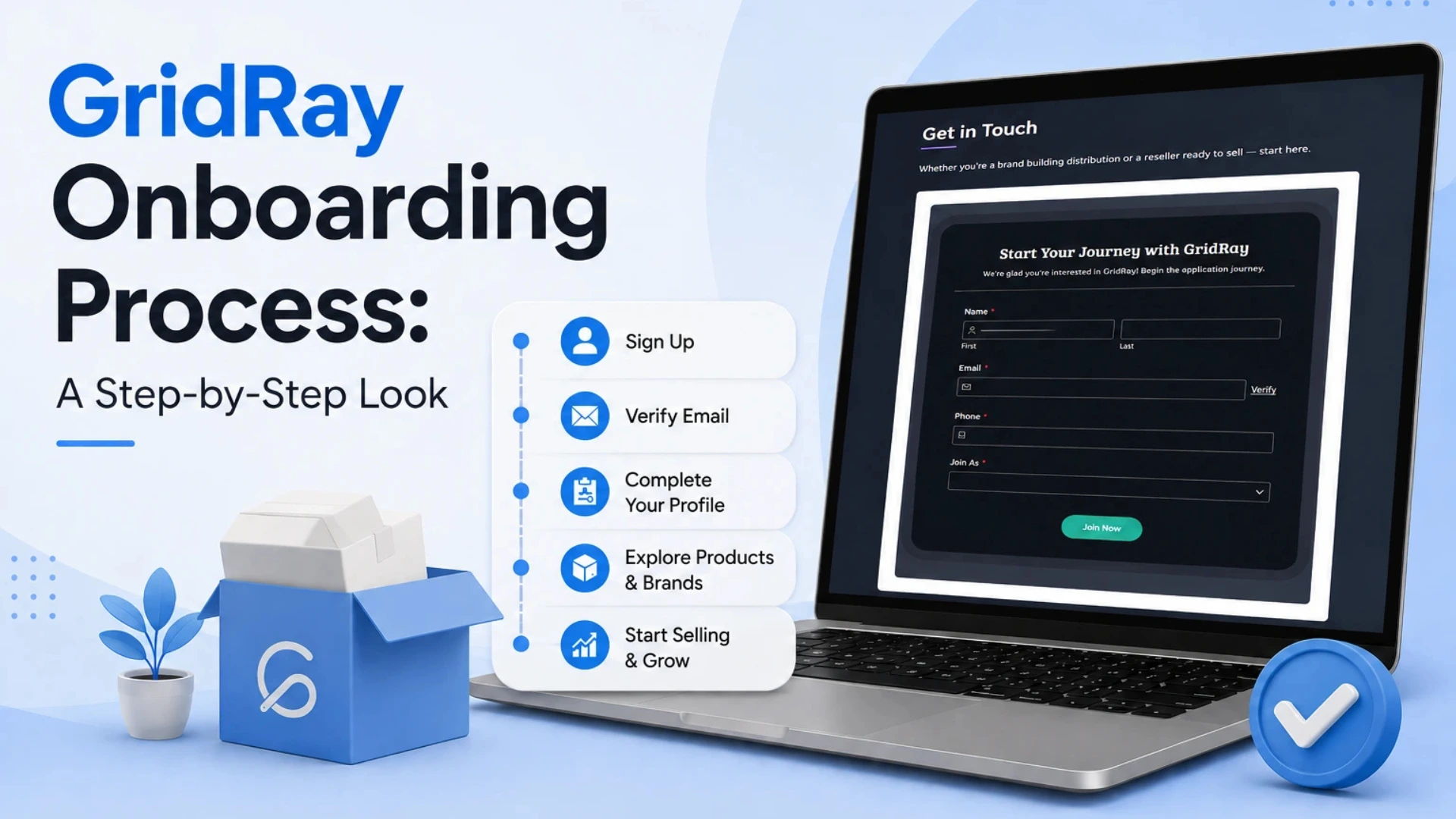
- A seller applies, typically providing basic business details (GST registration, sales channels, sometimes a business plan or projected volume).
- The brand approves the application and shares pricing, product catalogs, and terms.
- The seller lists and sells the products through their chosen channel — a marketplace like Amazon or Flipkart, their own website, or social commerce (Instagram, WhatsApp).
- Orders are fulfilled either by the seller (if they hold stock) or, in newer zero-inventory models, directly by the brand or its warehouse network once the seller confirms the order.
- The seller earns the margin between the dealer price and what they charge the end customer.
The traditional version of this model still required the reseller to buy some stock upfront. What’s changed in the last few years, particularly in India’s D2C and social commerce space, is the emergence of authorized reseller models that remove that requirement entirely — more on that below.
What Are the Benefits of Authorized Reselling?
Access to Legitimate, Verified Products
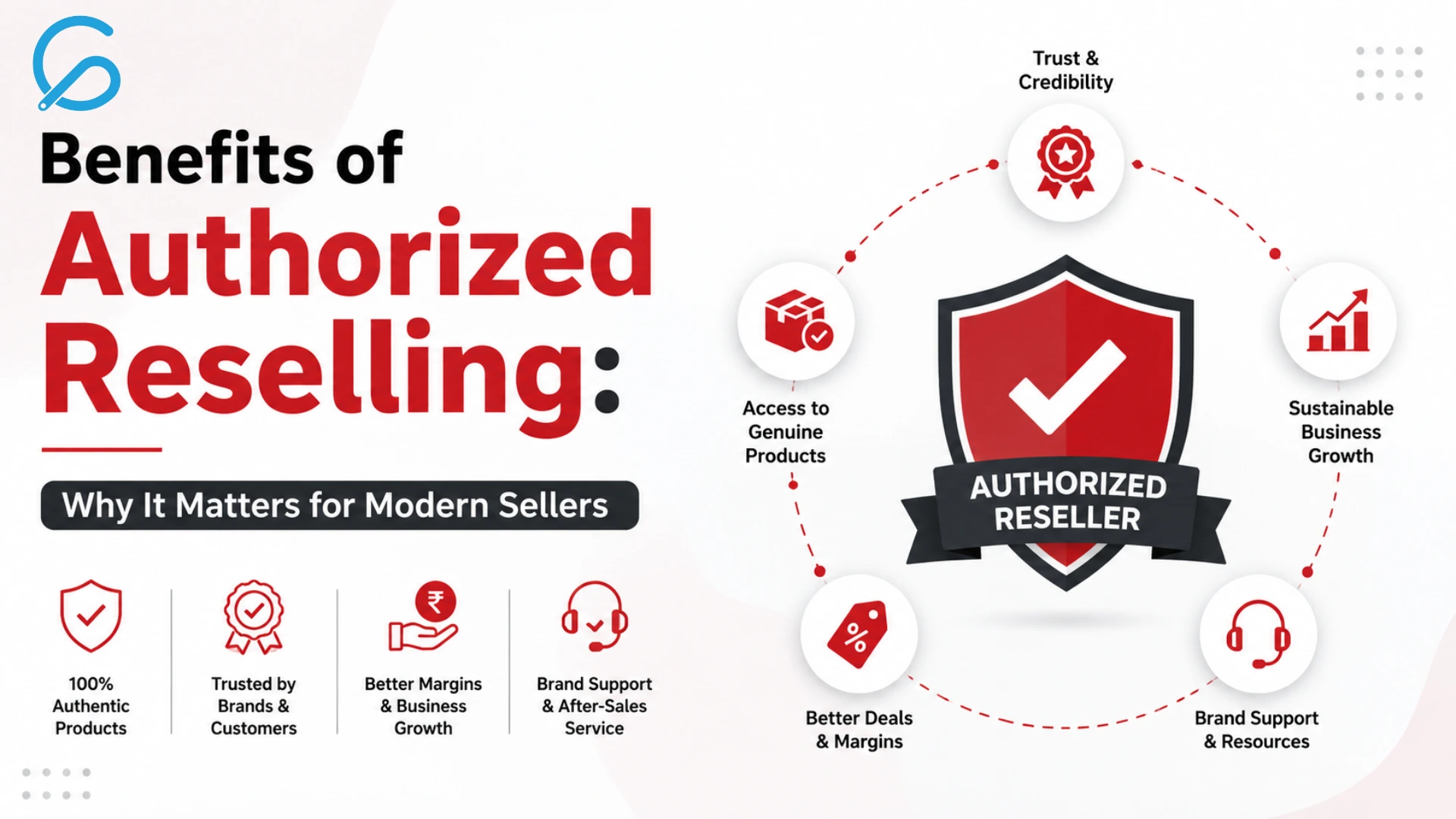
When you’re authorized, your products come from a traceable source. You’re not gambling on whether a supplier’s “genuine” claim is actually true. This matters because product authenticity issues don’t just hurt customers — they hurt you directly, through returns, refunds, and reputational damage.
Better Customer Trust and Credibility
Buyers today are cautious, especially with branded products sold at a discount online. When you can genuinely say you’re an authorized seller — and back it up with an invoice — you remove the single biggest objection a hesitant buyer has: “Is this actually real?” This trust often shows up as higher conversion rates, not just fewer complaints.
Reduced Risk of Counterfeit or Unauthorized-Product Complaints
Marketplaces like Amazon and Flipkart take intellectual property complaints extremely seriously — a single verified complaint can lead to listing takedowns or account suspension. Authorized sourcing gives you documentation to defend your listings if a brand or platform ever questions where your stock came from. See how unauthorized sellers put Amazon accounts at risk →
Access to Brand-Approved Product Information and Assets
Authorized resellers often get access to accurate product specifications, high-resolution images, and sometimes marketing material directly from the brand. This saves you the time of creating listing content from scratch, and reduces the risk of misrepresenting a product.
Better Pricing and Margin Opportunities
Because you’re buying at dealer or wholesale pricing rather than retail, your margins are structurally healthier than if you were reselling at retail prices you found elsewhere. This is one of the more overlooked benefits of authorized reselling — it’s not just about legitimacy, it directly affects your bottom line.
Lower Inventory Burden (in Newer Models)
Traditional authorized reseller programs still required you to purchase stock upfront. Newer, inventory-free authorized models flip this — you don’t pay for products until a customer has already ordered and paid you. This removes one of the biggest barriers that used to keep new sellers out of branded reselling altogether.
Reduced Upfront Investment
Related to the above: because there’s no need to buy in bulk, the capital required to get started drops significantly. For many first-time sellers in India, this is the difference between starting a business this month versus saving up for a year first.
More Scalable Business Operations
Without warehousing and inventory management to worry about, sellers can add new products, test new categories, or expand to new channels faster — because each addition doesn’t require a fresh capital outlay.
Stronger, More Durable Brand Relationships
Authorized relationships tend to be structured and ongoing, rather than one-off purchases from a wholesaler. Over time, this can mean access to new product launches, better terms, or priority stock during high-demand periods.
Better Long-Term Business Sustainability
A business built on documented, authorized sourcing is more resilient. If a supplier disappears, an authorized program gives you more recourse and stability than an informal sourcing relationship ever could.
Easier Expansion Across Product Categories
Once you understand how to work within one brand’s authorized program, expanding to other brands on the same terms is a much smaller learning curve than sourcing each new category from scratch.
Better Customer Retention and Repeat Purchases
Customers who receive genuine products, with proper invoices and support, are simply more likely to come back. Trust compounds — a happy first-time buyer is your cheapest source of a second sale.
Authorized Reselling vs Unauthorized Reselling
| Factor | Authorized Reselling | Unauthorized Reselling |
|---|---|---|
| Brand relationship | Formal agreement with brand or its approved network | No formal relationship |
| Product sourcing | Traceable, documented | Often unclear or unverifiable |
| Invoicing | GST-compliant, brand-authorized | May lack proper documentation |
| Marketplace risk | Lower — can prove authorization if challenged | Higher — vulnerable to takedowns |
| Pricing access | Dealer/wholesale pricing | Retail or informal reseller pricing |
| Customer trust | Easier to establish | Harder, especially for branded goods |
| Long-term stability | More resilient, ongoing relationship | Dependent on informal, often fragile sourcing |
Authorized Reselling vs Dropshipping
Both models let you sell without holding traditional inventory, so it’s easy to confuse them — but they solve different problems.
Similarities: Neither requires you to purchase bulk stock upfront. Both let you list products online and fulfill orders after a sale is confirmed.
Differences:
- Dropshipping typically involves sourcing from largely unverified suppliers, often overseas, with limited quality control and long shipping times.
- Authorized reselling means your supply chain runs through a brand-approved relationship — the products are the same ones sold in that brand’s official channels, not unbranded or generic equivalents.
- Dropshipping rarely gives you brand credibility; customers are simply buying a product, not associating it with a trusted name. Authorized reselling lets you sell products customers already recognize and trust.
- Returns, warranty claims, and quality issues are typically far more manageable under an authorized model, since there’s an actual brand relationship behind the product.
Authorized Reselling vs Traditional Wholesale
| Factor | Traditional Wholesale | Authorized Reselling (Zero-Inventory) |
|---|---|---|
| Inventory | Must purchase and store stock | No inventory purchase required |
| Upfront investment | High — bulk buying required | Minimal to none |
| Brand relationship | Sometimes indirect (via distributor) | Direct, formal authorization |
| Product sourcing | Through wholesaler or distributor | Through brand’s authorized network |
| Operational complexity | Warehousing, logistics, stock management | Simplified — order-triggered fulfillment |
| Scalability | Limited by capital and storage space | Easier to scale — no storage constraint |
| Business risk | Unsold stock, capital lock-in | Minimal capital at risk |
Who Can Benefit From Authorized Reselling?
- New online sellers who want to start a legitimate branded-products business without large capital
- Existing resellers looking to formalize their sourcing and reduce compliance risk
- E-commerce entrepreneurs exploring a new product category without committing to inventory
- Social commerce sellers running businesses through Instagram or WhatsApp who want brand credibility
- Marketplace sellers on Amazon or Flipkart who need documentation to avoid listing takedowns
- Small businesses wanting to add branded products to an existing catalog
- Anyone exploring an inventory-light business model, including students, homemakers, and side-hustlers
Example: Consider a hypothetical seller — someone running a small Instagram page who wants to start selling premium sportswear and personal care brands. Buying inventory upfront isn’t realistic for them financially, and sourcing from unverified suppliers online feels too risky given how easily counterfeit complaints can shut down a seller’s other marketplace accounts. An authorized, zero-inventory reseller program solves both problems at once: brand-authorized products, without the capital requirement.
What Should You Check Before Choosing an Authorized Reseller Program?
Before joining any program, verify:
- Brand legitimacy — is the brand itself established and does it have quality control in place?
- Actual authorization status — ask for documentation, not just a claim
- Pricing structure — understand dealer pricing versus your intended retail price, and whether your margin is sustainable
- Product authenticity guarantees — what happens if a product turns out to be defective or misrepresented?
- Terms and conditions — pricing floors (MAP), approved sales channels, and any exclusivity clauses
- Return and refund policies — who absorbs the cost of a return, you or the platform/brand?
- Shipping responsibilities — who fulfills the order, and what are the delivery timelines?
- Marketplace compliance — will you receive documentation needed for Amazon, Flipkart, or GST compliance?
- Seller support — is there someone to contact if something goes wrong?
- Product availability — how often is stock actually available versus listed as “coming soon”?
- Payment terms — when exactly do you pay: upfront, or only after a customer has already paid you?
How GridRay Supports Authorized Inventory-Free Commerce
GridRay is built around a model the platform calls Authorized Inventory-Free Commerce — a middle ground between traditional wholesale and dropshipping that focuses specifically on brand-approved, zero-inventory selling.
In practice, this means:
- Brands list their products on the platform at dealer pricing
- Sellers apply for authorization to specific brands, rather than sourcing informally
- Once approved, sellers list products across their own channels — marketplaces, their website, Instagram, or WhatsApp — without purchasing stock in advance
- When a customer places an order, the seller confirms it on the platform, and the brand fulfills it directly from its own warehouse network
- Sellers receive GST-compliant invoicing, which supports both marketplace compliance and standard business accounting
This structure is designed to give sellers the core benefits of authorized reselling — legitimacy, brand backing, and documentation — without the upfront capital that traditionally made branded reselling inaccessible to smaller sellers. You can read more about how this model compares to dropshipping and MLM, or see it applied to a specific brand partnership like Hive91’s authorized reseller network.
Is Authorized Reselling a Good Business Model?
For most sellers who want to sell branded products without the risk profile of unauthorized sourcing or the capital demands of traditional wholesale, authorized reselling is a genuinely sound model to build around — particularly in its newer, zero-inventory form.
That said, it’s worth being realistic:
- Margins per unit are generally smaller than what a large-scale distributor might earn, since you’re not buying at the deepest bulk discounts.
- Success still depends on your ability to market and sell — authorization removes sourcing risk, it doesn’t remove the need to find customers.
- Not every brand or category will have an authorized program available, so product choice can be more limited than sourcing informally.
- Like any reselling model, it requires consistency: listing quality, customer service, and order follow-through all still matter.
None of these are dealbreakers, but they’re worth going in with clear eyes about. The core trade-off is straightforward: you give up some margin and product flexibility in exchange for legitimacy, lower risk, and — in inventory-free models — lower capital requirements.
FAQs About Authorized Reselling
What is authorized reselling?
Authorized reselling is when a seller has formal, brand-approved permission to sell a company’s products, typically backed by documentation like GST-compliant invoices and access to official pricing.
What are the main benefits of authorized reselling?
The core benefits are product authenticity, customer trust, reduced marketplace risk (from counterfeit complaints), access to dealer pricing, and — in newer models — the ability to sell without holding inventory upfront.
Why should sellers work with authorized brands instead of informal suppliers?
Working with authorized brands gives you traceable sourcing and documentation, which protects you from counterfeit complaints, account suspensions, and customer trust issues that informal sourcing can create.
Is authorized reselling better than unauthorized selling?
Generally, yes, from a risk and trust standpoint. Authorized reselling gives you documentation and brand backing that unauthorized selling doesn’t, even when the unauthorized products are genuine.
Can I sell branded products without holding inventory?
Yes. Newer authorized reseller models, including zero-inventory platforms, let you list and sell branded products without purchasing stock upfront — you pay the dealer price only after a customer has already ordered.
What is the difference between authorized reselling and dropshipping?
Dropshipping usually involves unverified suppliers and generic or unbranded products, while authorized reselling involves a formal relationship with a recognized brand, giving you credibility and quality assurance dropshipping typically lacks.
How do authorized resellers make money?
Authorized resellers earn the margin between the dealer (wholesale) price they pay and the retail price they charge their own customers.
How can I become an authorized reseller?
You typically apply to a brand directly or through a platform that manages reseller programs, provide basic business details, and get approved before receiving access to pricing and products.
What should I check before joining a reseller program?
Verify the brand’s legitimacy and actual authorization documentation, understand the pricing and payment terms, and confirm return, shipping, and marketplace compliance policies before committing.
How does GridRay support authorized resellers?
GridRay connects sellers with brands through an authorized, zero-inventory model — sellers get dealer pricing and GST-compliant invoicing without needing to purchase stock upfront, with orders fulfilled directly by the brand’s warehouse network.
Conclusion
Authorized reselling solves a problem that trips up almost every new online seller: how do you source products you can trust, without either taking on counterfeit risk or locking up capital you don’t have? The benefits — genuine products, stronger customer trust, dealer pricing, and reduced marketplace risk — apply whether you’re just starting out or formalizing an existing reselling business.
Where the model has changed most in the last few years is inventory. You no longer need to buy stock upfront to be an authorized seller. If you’re exploring what that looks like in practice, explore how GridRay’s authorized inventory-free model works or read about selling branded products without holding stock.